Nestled at the edge of one of France’s largest forests, the Château de Fontainebleau stands as one of the most significant royal residences in France — a palace that served every French monarch from Louis VII in the 12th century to Napoleon III in the 19th. Unlike Versailles, which was built from scratch, Fontainebleau grew organically over eight centuries, resulting in an eclectic complex that feels lived-in and intimate despite its grandeur.
The château gained its greatest fame under Francis I, who transformed a medieval hunting lodge into a Renaissance masterpiece between 1528 and 1540. He brought Italian artists — including Rosso Fiorentino and Francesco Primaticcio — to decorate its magnificent Gallery of Francis I, one of the finest examples of French Renaissance interior decoration. This “School of Fontainebleau” style profoundly influenced French art for generations.
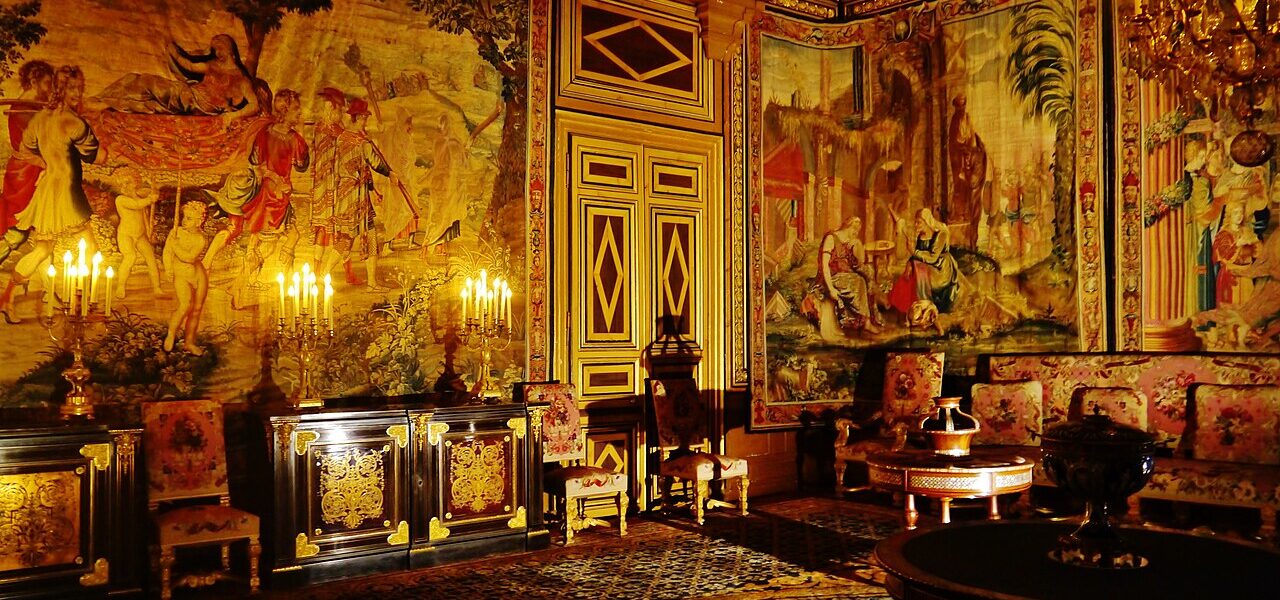
Napoleon Bonaparte had a particular affinity for Fontainebleau, spending more time here than at any other palace. It was from the Court of the White Horse (now called the Court of Farewells) that he bid a tearful farewell to his Imperial Guard on April 20, 1814, before his first abdication and exile to Elba. The palace’s 1,500 rooms are filled with original furniture, tapestries, and artworks spanning eight centuries of royal taste.
Key Facts
| Built | 12th–19th century (major works 1528–1540) |
|---|---|
| Style | French Renaissance, Baroque, Neoclassical |
| Rooms | 1500 rooms |
| Region | Île-de-France |
| Entry | €14.00 adults |
| Open | 9:30–17:00 (closed Tuesdays) |
| UNESCO | World Heritage Site |